














CALGARY — In what officials describe as a “post-mortem emissions-reduction pathway for committed environmentalists,” the Calgary Center for Creative Cremation (CCCC) confirmed Monday that it will begin offering Alberta’s first activist-focused cement integration service in Q2 2026, in partnership with Alberta Aggregates.
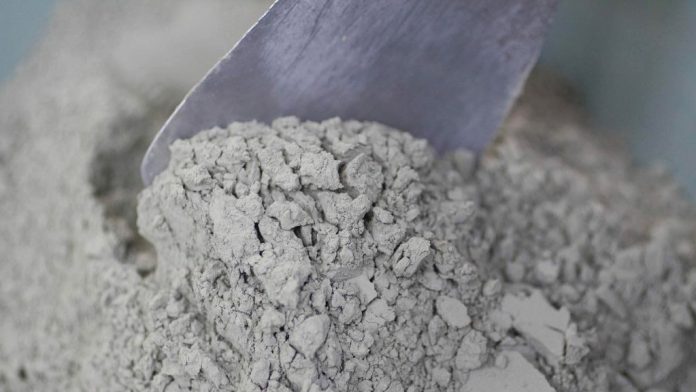
The program is explicitly designed for environmental activists who wish to continue reducing emissions after death, by having their cremated remains incorporated into engineered cement blends used for well abandonment and environmental remediation projects across the province.

“For many activists, the work doesn’t stop when life does,” said CCCC executive director Martin F. Halvorsen. “This program allows them to give back to the environment in a measurable, permanent way – long after their protest signs have been recycled.”
Turning Advocacy Into Infrastructure
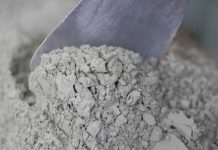
Cement production remains one of Canada’s highest CO₂-emitting industrial processes. By displacing a portion of virgin aggregate with cremated remains, the program aims to marginally reduce emissions while giving activists what organizers call “a final, literal stake in environmental remediation.”
Participants can opt into custom-named cement blends catalogued after the donor, with internal examples including “Steve 0:2:G” and “Rachelle 1000-2-R,” formulations tailored for specific abandonment and reclamation scenarios.
“These aren’t symbolic gestures,” said Alberta Aggregates materials engineer Paula Rebar, P.Eng. “These blends will be pumped downhole, logged, capped, and monitored. The donor becomes part of the remediation itself.”
Activism That Outlives the Activist
CCCC confirmed that outreach will be directed almost exclusively toward environmental advocacy communities, including climate groups, protest organizations, and professional campaigners seeking a way to offset their lifetime emissions after death.
“This is for people who’ve spent their lives opposing industrial impacts,” Halvorsen said. “Now they can physically mitigate them.”
Donors or their families will receive documentation identifying the type of remediation project supported, including the approximate well depth and region where the blend was deployed.
“It’s closure,” Halvorsen added. “In every sense.”
The Science of Contribution
Program designers are candid about the underlying mechanics: greater donor mass enables greater aggregate displacement, and therefore greater emissions reduction.
“It’s a materials equation, not a moral judgment,” Rebar said. “Larger contributors reduce more cement demand.”
To support long-term participation, CCCC offers optional pre-registration for living activists, allowing them to calculate their estimated post-mortem climate impact. Registrants also receive non-expiring junk-food vouchers, an incentive described as “voluntary, data-supported, and strictly optional.”
“We’re not encouraging overconsumption,” Halvorsen clarified. “We’re acknowledging physics.”
Scaling the Solution
CCCC says its long-term vision is mass adoption among activist organizations.
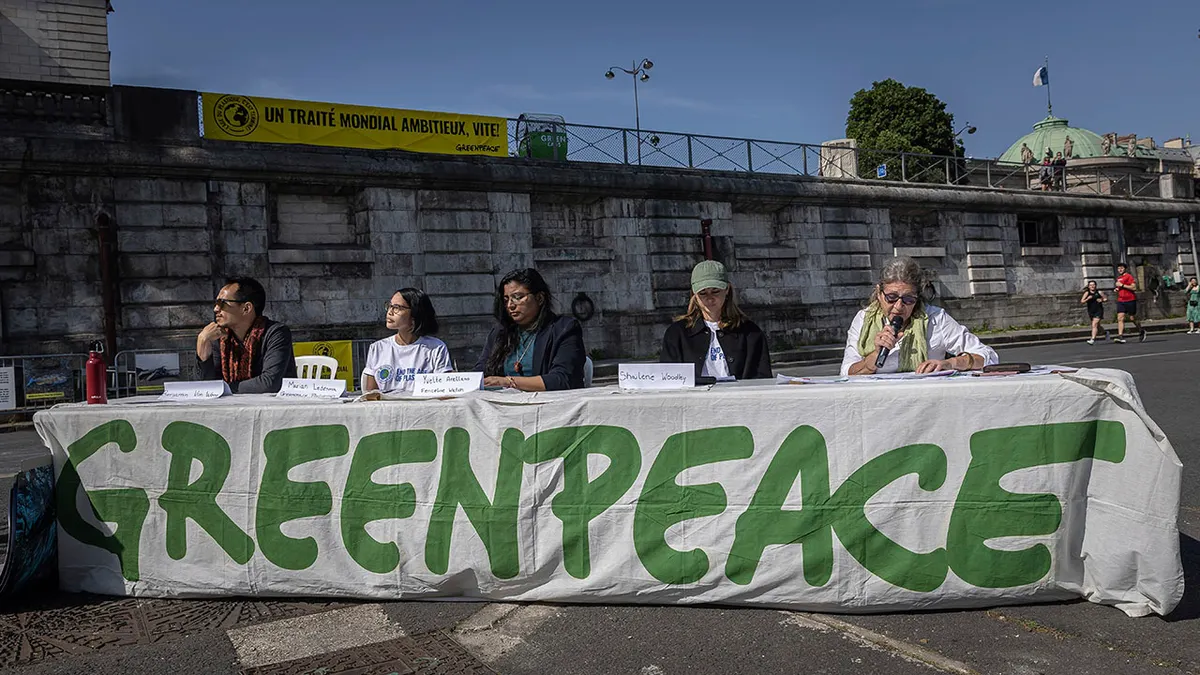
“We hope to make Greenpeace the largest contributor to this climate change solution,” Halvorsen said. “Their members already think in terms of legacy.”
The program is currently under regulatory review, though Alberta Aggregates notes that cremated remains are inert, sterile, and compatible with existing cement standards.
“From a technical standpoint, this is very normal,” Rebar said. “It just happens to involve people.”
If approved, the first activist-derived cement blends are expected to be deployed in remediation projects starting spring 2026.
“We talk a lot about carbon footprints,” Halvorsen concluded. “This program allows activists to erase theirs, by becoming part of the fix.”
2P News will continue to monitor this initiative, particularly as it raises the question no one expected to ask: how green is a person, really?